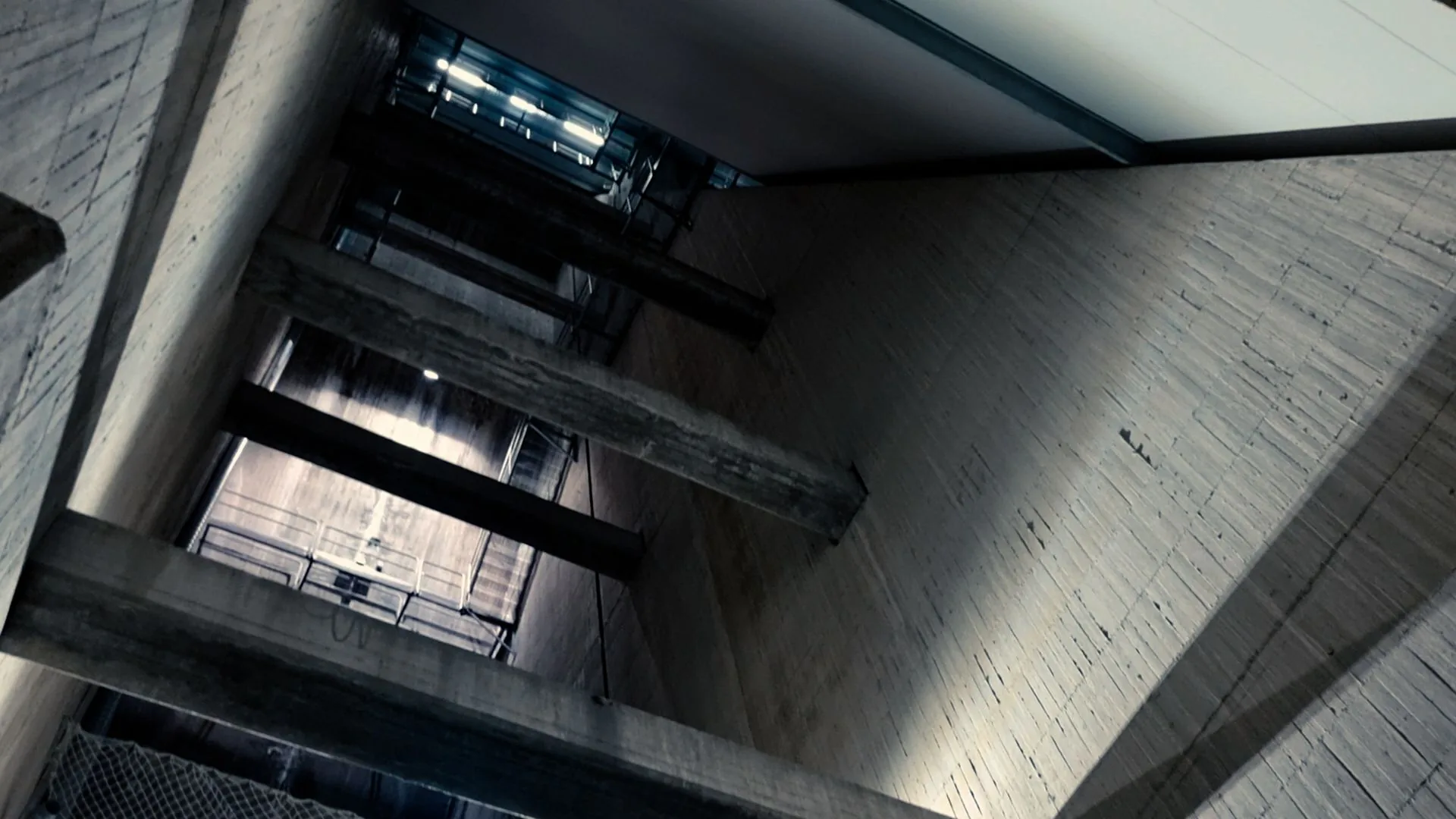
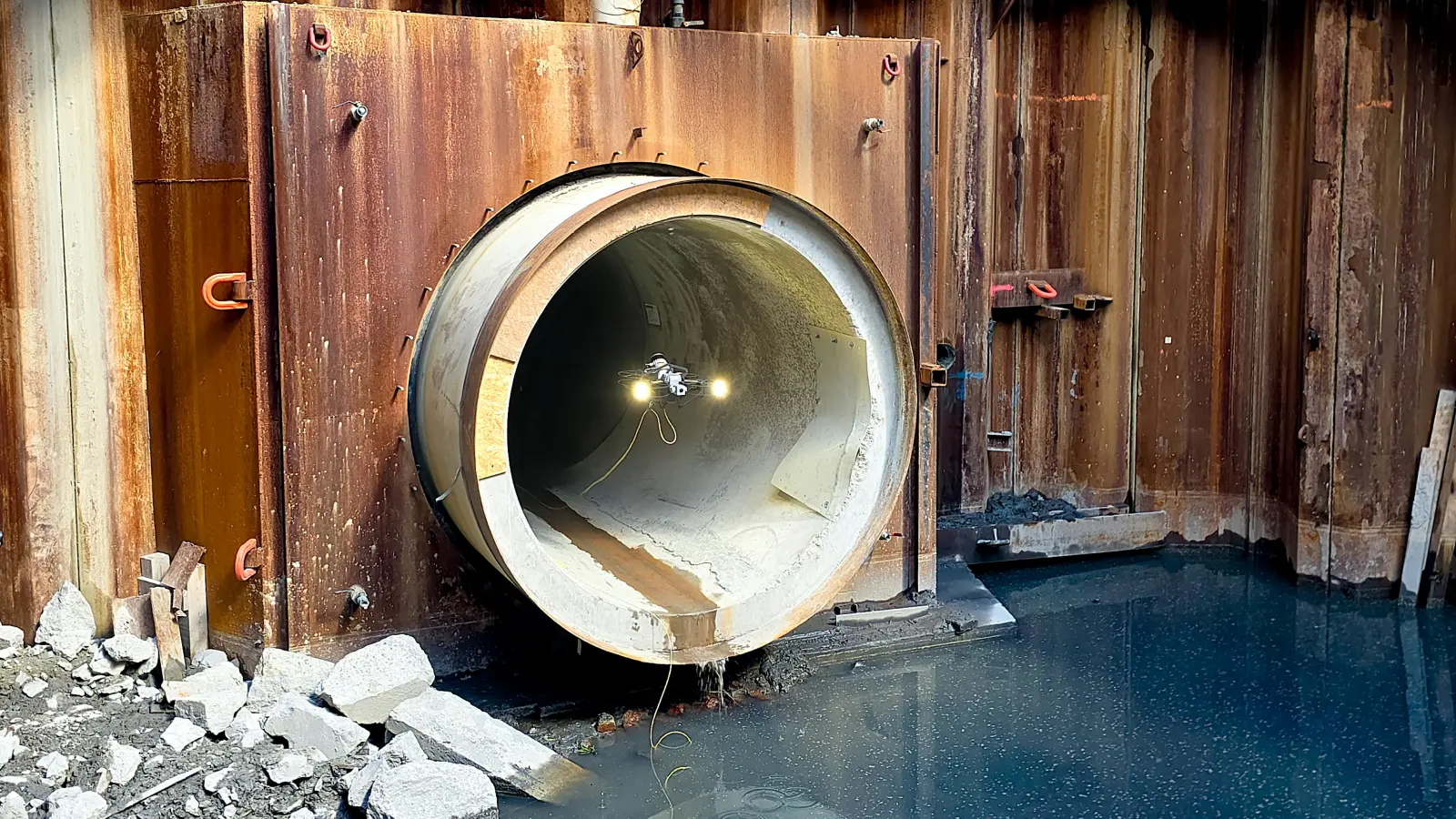
Dewatered penstocks, headrace tunnels and surge shafts, plus spillway chutes, radial gates and stilling basins. Liner and coating condition, concrete spalling and cavitation in a single flight, no rope team or diver.
Boiler tubes, furnace walls, superheater and heat-recovery banks, headers and drums. Internal corrosion, erosion and wall thickness during the outage. No staging tower inside the firebox.
Monopile interiors, transition pieces and jacket cells, confined spaces tens of metres from the access hatch, captured in single flights.
Flue stacks, chimneys, ducting and precipitator internals. Lining, refractory and corrosion under deposits, without erecting an internal scaffold.

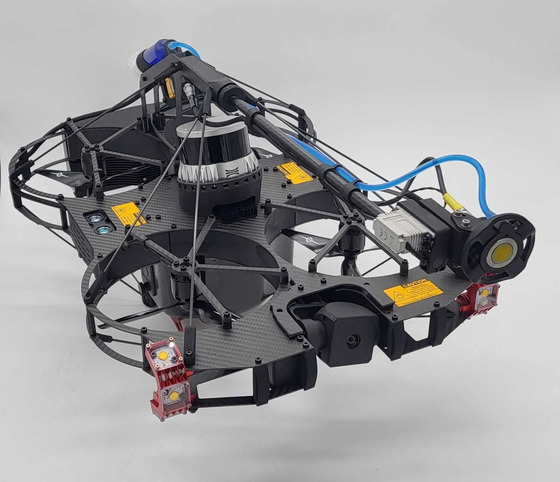
In hydro the cost is in megawatt-hours; in thermal it’s in firebox days. Scout 137 shortens the outage and takes the human out of the asset on both.
A drone flight replaces the scaffold tower that takes days to erect before inspection can even begin.
Lower inspection cost than scaffold-and-rope access. The access bill disappears with the scaffolding.
Confined-space entries when the drone records the evidence instead of a person.
Visual, thickness and 3D captured in a single outage window, before the unit comes back online.
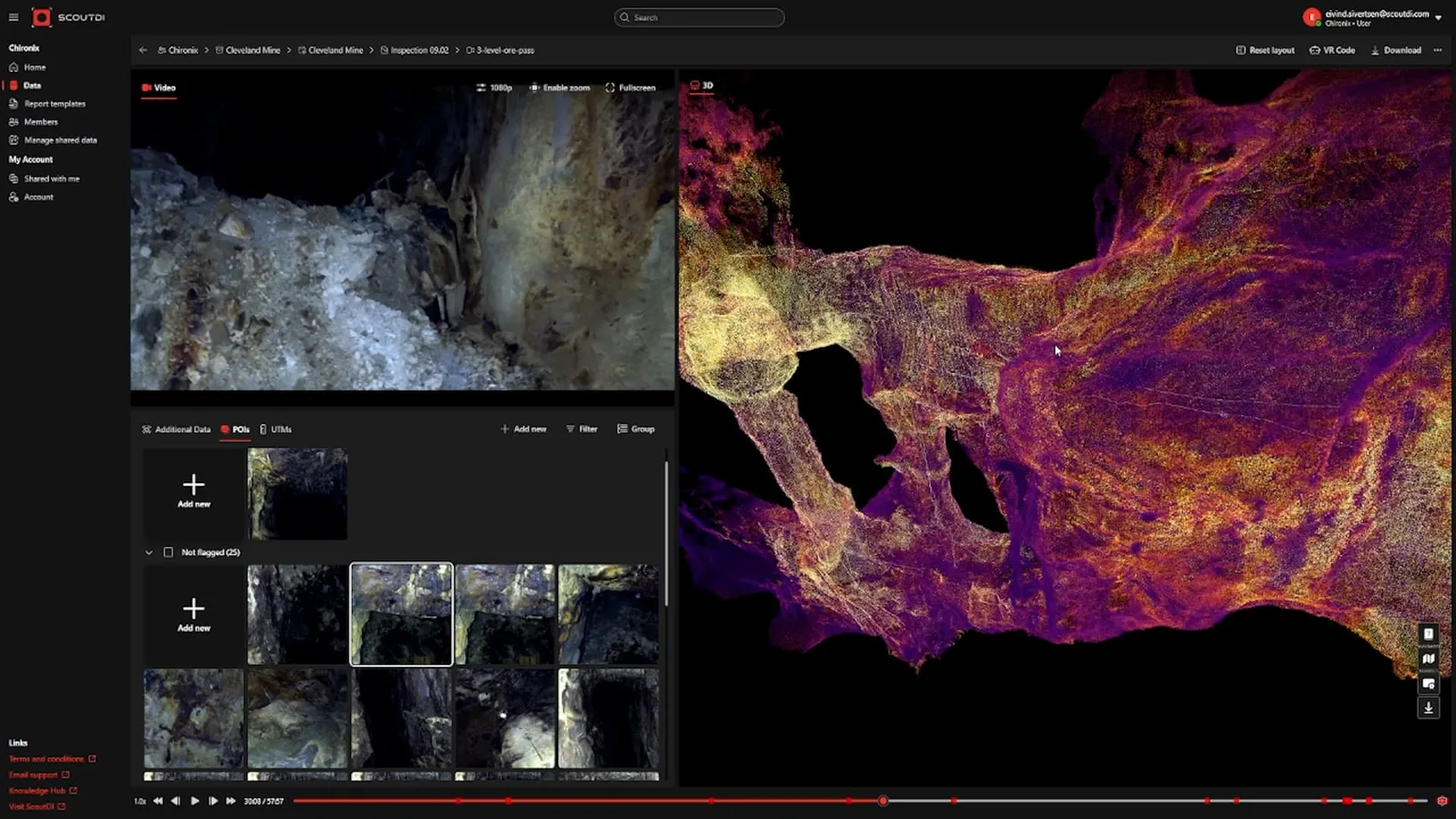
Every capture is time-stamped and pinned to its position in a 3D model, assembled in Scout Portal into one complete, repeatable record, validated live on site, so findings are confirmed before you leave. It supports the way your power assets are reviewed and signed off.