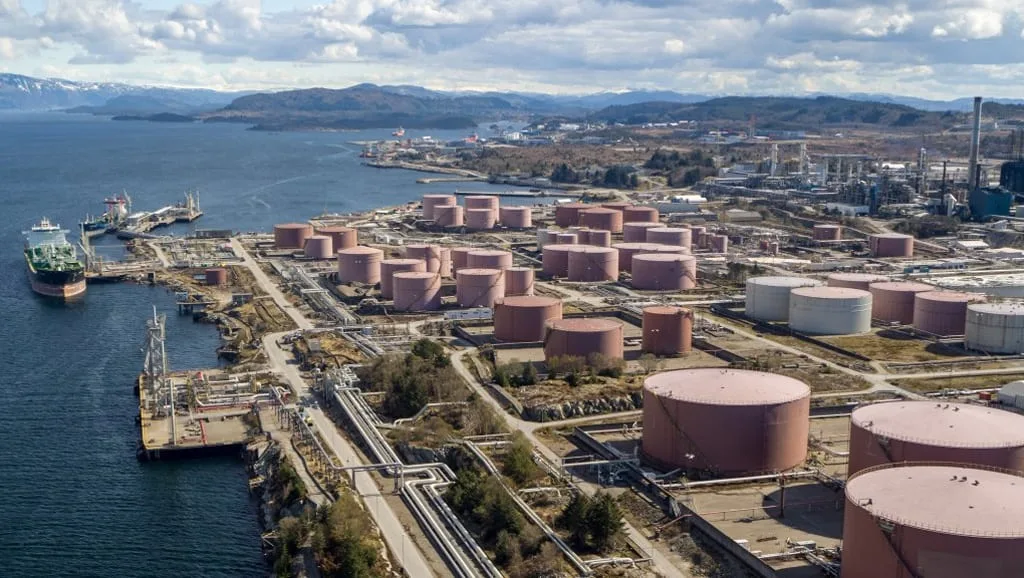
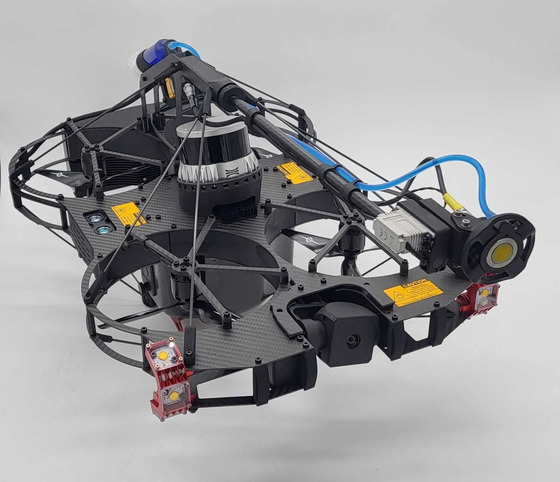
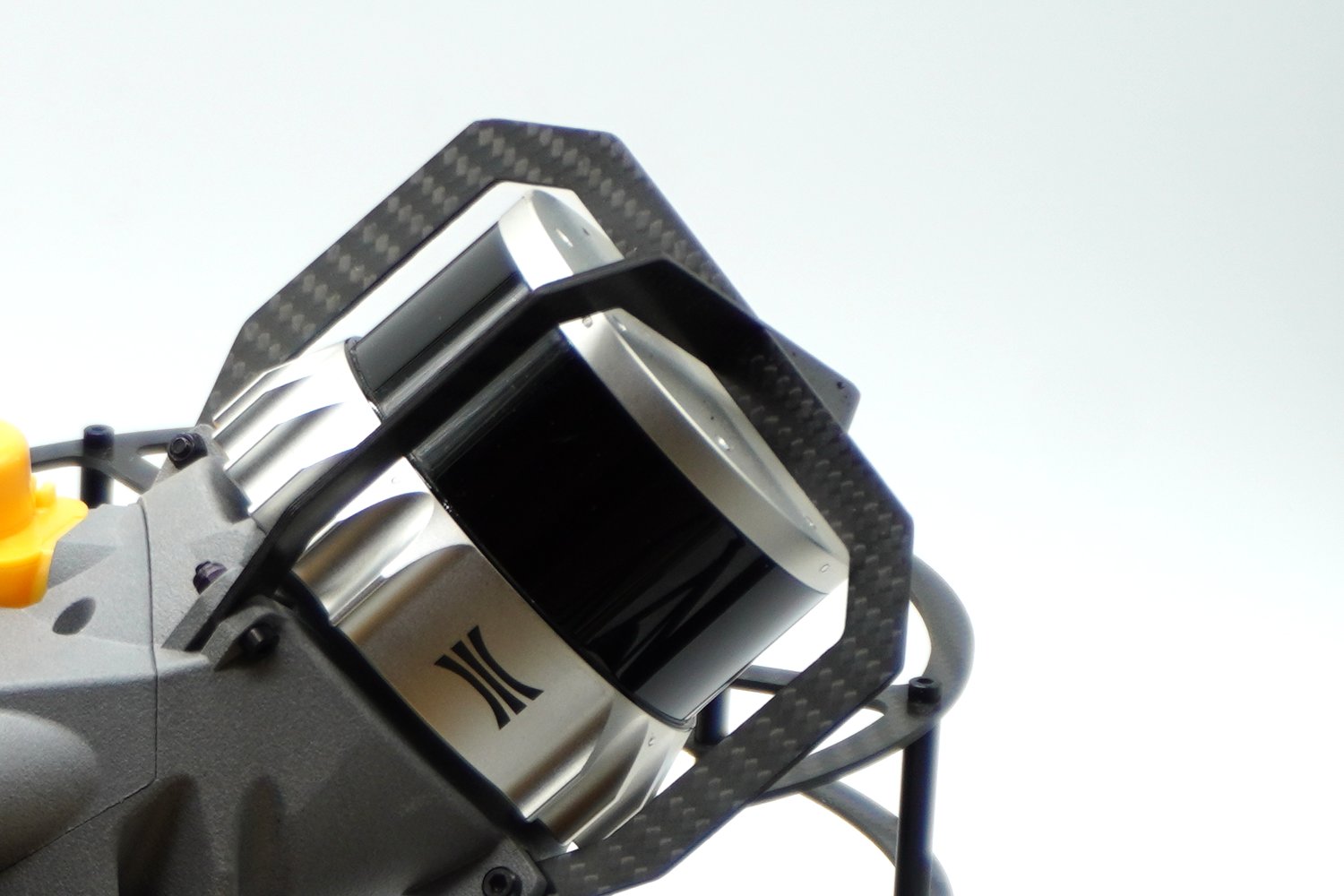
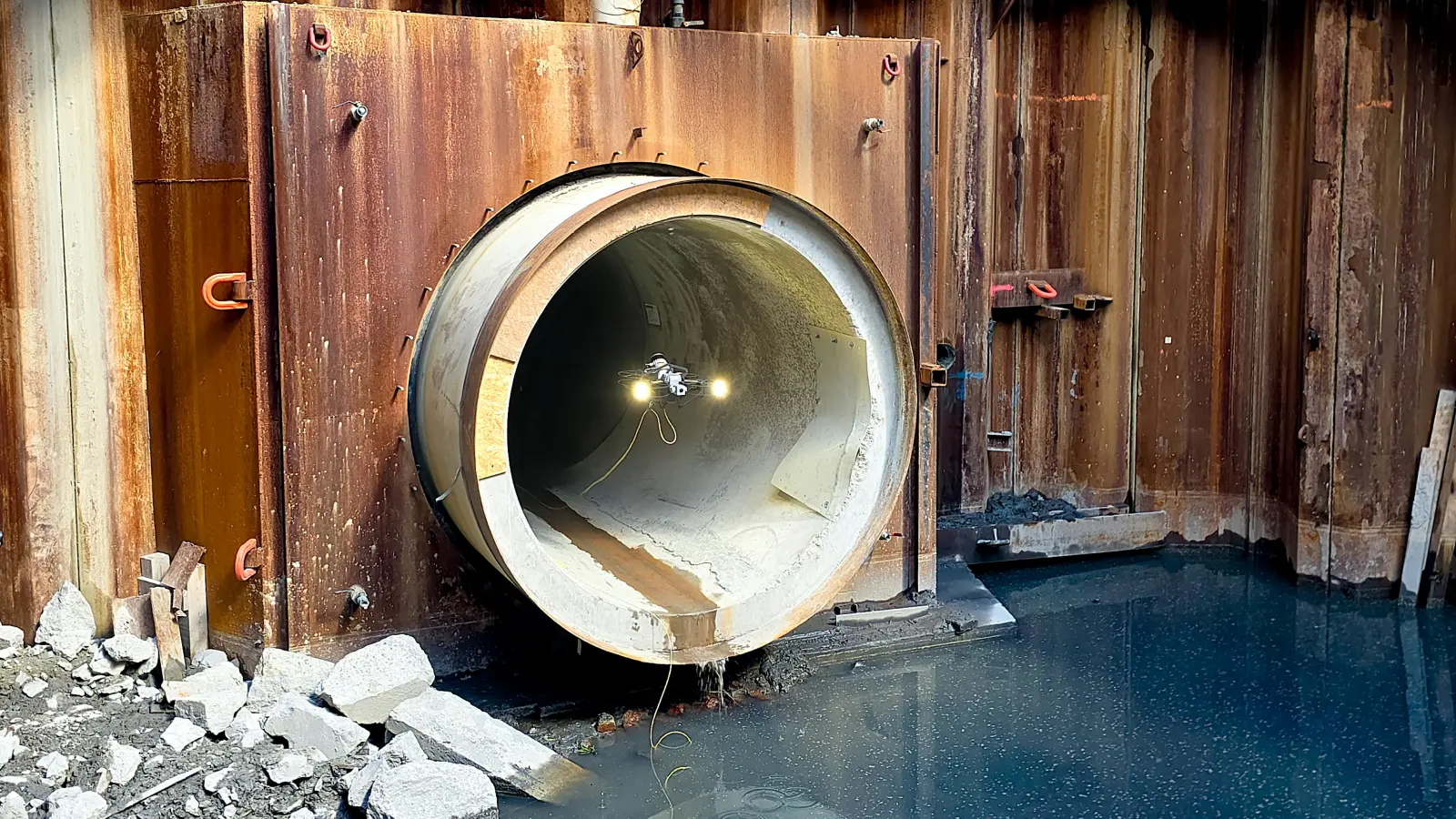
Crude, condensate, product and feedstock tanks. Floor and shell corrosion mapping, roof condition, foam-pad documentation. The drone flies through a 600 mm manway.
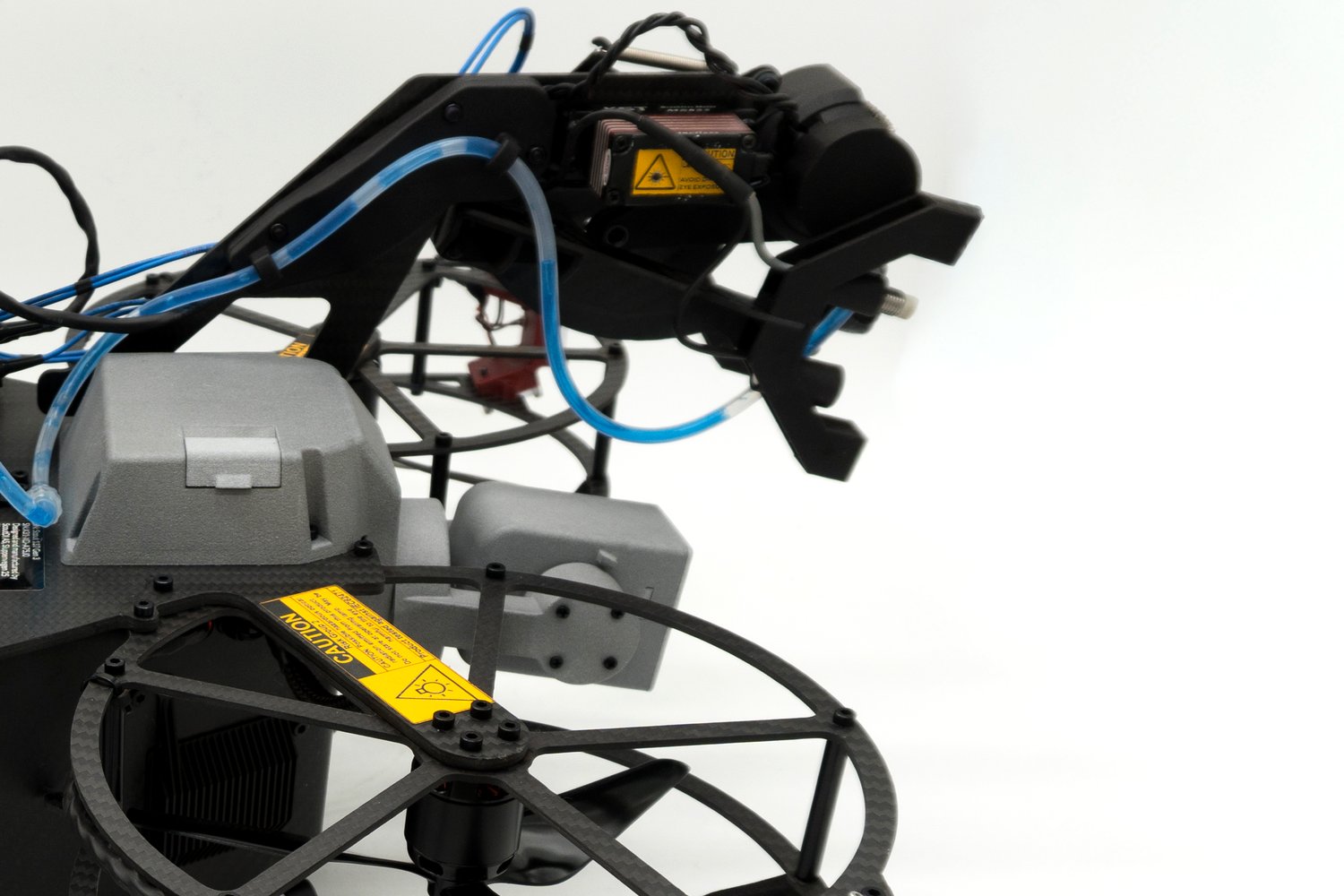
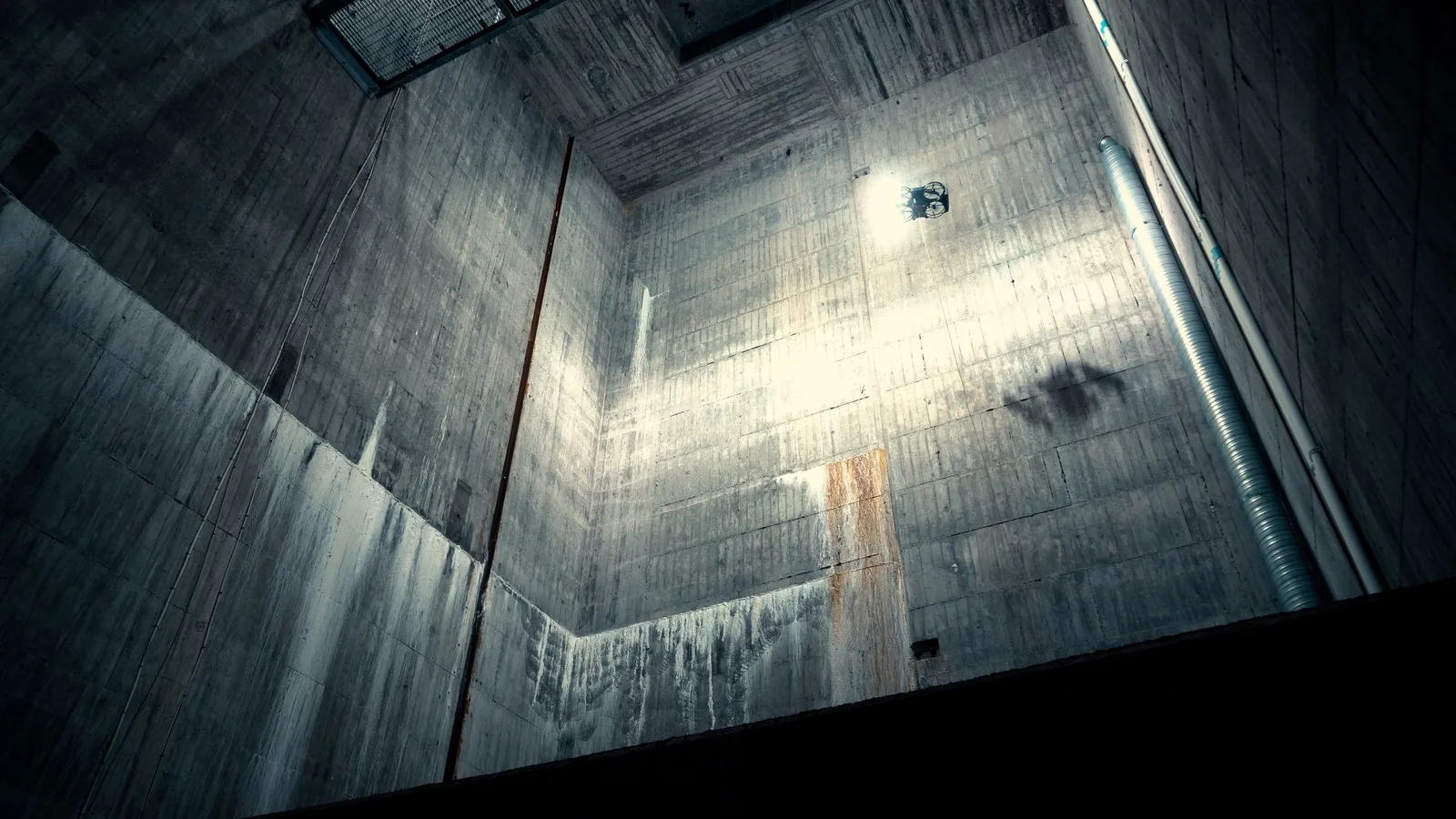
Full internal inspection of trays, downcomers, demisters and packing. UT thickness on shell sections at any elevation, each reading anchored to the 3D map.
Reactor internals, vessel walls, head and bottom sections. Catalyst-bed condition surveys without scaffolding inside the unit.
Internal stack and chimney condition, flue-gas ducting and precipitator internals. Lining, refractory and corrosion under deposits, flown from inside instead of off a scaffold.

Confined-space entry remains the single largest avoidable risk in refinery inspection. Cutting it shortens the turnaround, reduces permits and removes the worst-case incident from the asset.
Scaffolding inside a column takes days to erect. A flight replaces it.
Lower inspection cost than scaffolding and rope access inside the asset.
Inspectors in the vessel when a drone can do the survey.
Visual, thickness and gas readings captured before the unit comes back online.
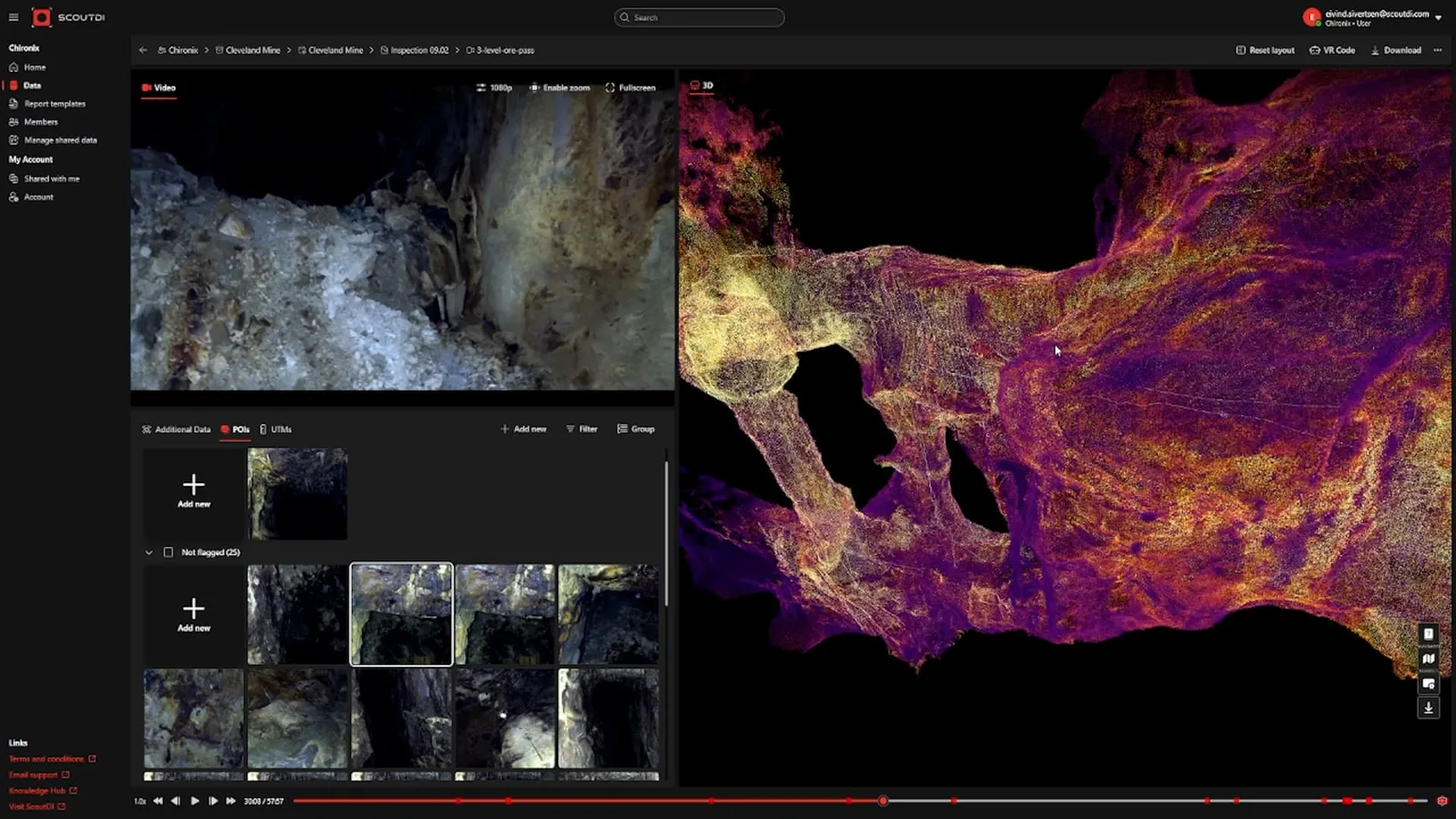
Every capture is time-stamped and geo-anchored to the asset’s 3D model, assembled in Scout Portal into one complete, repeatable record your AIM and IDMS systems already accept. It gives you data suitable for API 510, 570, 653 and EEMUA 159 review.